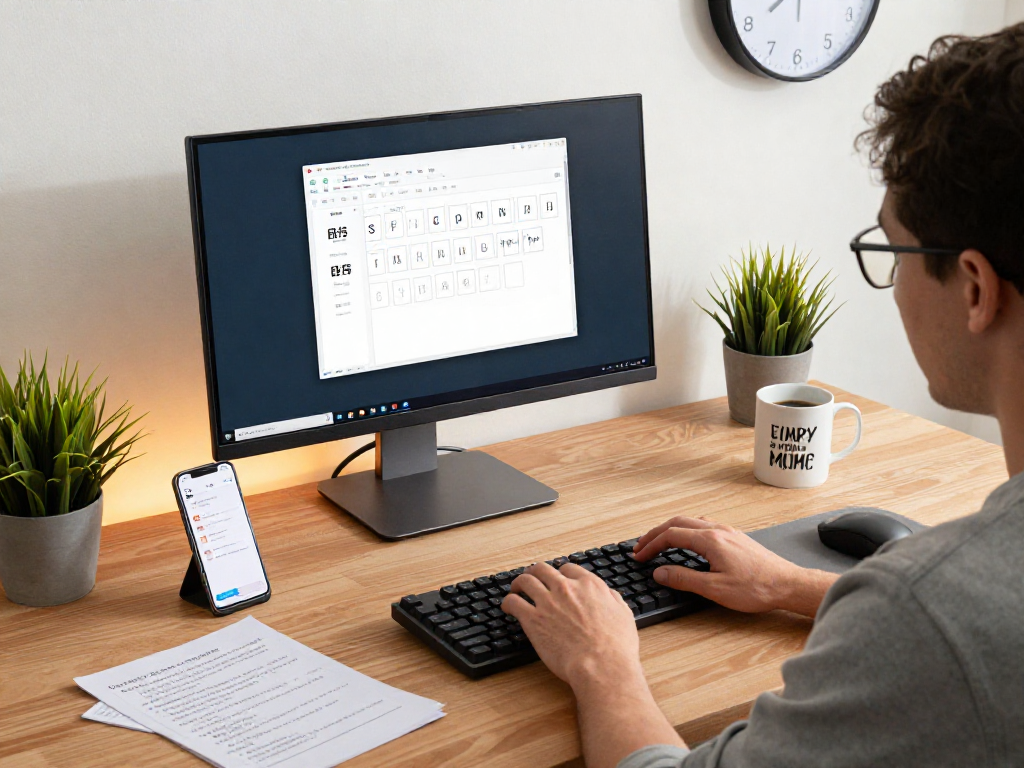
Understanding Sogou Pinyin Input Method Features
The Sogou Pinyin Input Method stands out as one of the most popular tools for typing in Chinese, blending speed, accuracy, and user-friendly design. It caters to a variety of input scenarios, making it a top choice for daily tasks like document editing, web searching, social communication, and professional writing. Users benefit from a responsive typing experience that feels natural and fluid, allowing for seamless transitions from word to word. By integrating an extensive vocabulary library that covers common expressions, technical terminologies, and even colloquial phrases, the Sogou Pinyin Input Method helps users select their desired words with ease and confidence. When exploring options, 搜狗拼音输入法下载 offers comprehensive insights into the installation and personalization of this input method.
What Makes Sogou Pinyin Input Method Unique?
What sets the Sogou Pinyin Input Method apart from other input methods is its sophisticated algorithm that adapts to users’ typing habits. This adaptability ensures that the more a user types, the more accurate the predictive text becomes. Additionally, Sogou’s input method supports multiple pinyin input styles, including full pinyin, short pinyin, and mixed pinyin, making it accessible to various users regardless of their typing preference. The emphasis on community-driven data results in a rich vocabulary bank that evolves based on current trends, capturing changes in language use over time.
Key Functionalities That Enhance Typing Efficiency
Several key features enhance the typing efficiency of the Sogou Pinyin Input Method. Long sentence prediction capabilities enable users to compose lengthy text without interruptions. Moreover, the personal dictionary allows for the quick insertion of frequently used terms, specialized industry jargon, and customized phrases, significantly reducing the time spent on repetitive typing tasks. Integrated voice and handwriting recognition further streamline the input process, making it easier to communicate complex ideas without the constraints of traditional typing.
User-Centric Design and Customization Options
The design of Sogou Pinyin Input Method prioritizes user experience, including intuitive navigation through settings and customization options. Users can effortlessly adjust the appearance of the candidate bar, choose from various themes, and configure setting shortcuts, making this tool suitable for both casual users and professionals. Additionally, with features like emoji and symbol panels, users can enrich their messages and documents, ensuring their expression aligns with the context of their communication.
Downloading and Installing Sogou Pinyin Input Method
Step-by-Step Guide to Sogou Pinyin Input Method下载
To start enjoying the benefits of Sogou Pinyin Input Method, users must begin with the download process. First, visit the official website and locate the download section. Ensure the source is reliable to avoid malware. Once the installer is downloaded, double-click on the file to initiate the installation. Users will be prompted to select their preferred installation path, but the default location is typically suitable for most. After the installation is complete, check the taskbar for the Sogou icon to confirm the installation was successful. If the icon does not appear, users should enter the Windows language and keyboard settings to manually add Sogou as an input option.
Common Installation Issues and Fixes
Some users may encounter issues while trying to switch to the Sogou Pinyin Input Method. If pressing Ctrl + Shift or Win + Space does not allow for input method toggling, verify that the Sogou input method is enabled in the system input settings. If it appears in the settings but is not functioning, restarting the resource explorer or the entire computer can often resolve the issue. In some cases, users might need to restore default configurations through the Sogou settings interface.
System Requirements for Optimal Performance
To ensure optimal performance of the Sogou Pinyin Input Method, users should check their system specifications. Generally, it runs smoothly on Windows 7 and later versions, and it requires adequate RAM and processing power. A stable internet connection is also beneficial, especially for features that rely on cloud syncing and automatic updates of the vocabulary database. Users with older computers should ensure that their system meets these requirements to avoid lagging issues during typing.
Maximizing Productivity with Custom Settings
Configuring Personal Dictionary and Phrase Shortcuts
One of the standout features of the Sogou Pinyin Input Method is its ability to create a personal dictionary. Users can enter words, phrases, and terms they frequently use, which makes typing specific jargon or unique phrases significantly faster. This functionality also enhances customization as users can tailor their typing experience to fit their professional or personal needs, making communication efficient and fluid.
Adjusting Candidate Bar and Input Preferences
The candidate bar is a crucial element of the typing interface. Users can customize its appearance, including font size, arrangement, and transparency. Adjusting the candidate bar can make it easier to view options while typing, minimizing distractions and allowing for quicker selection of words. Furthermore, enabling specific input preferences can ensure that the generated suggestions align with users' expectations, thus improving overall user satisfaction.
Leveraging Voice and Handwriting Features Effectively
Sogou also offers advanced features like voice input and handwriting recognition. Users can dictate their text using voice commands, which is particularly useful for those on the go or for hands-free situations. Handwriting recognition is beneficial when dealing with complex characters or unfamiliar symbols. By leveraging these features, users can diversify their communication methods, making it easier to express ideas clearly and efficiently.
Troubleshooting Common User Concerns
Resolving Accuracy Issues with Candidate Suggestions
When candidate words do not match the user’s intent, it often stems from the input history or the state of the vocabulary. Users should regularly clear erroneous input records or adjust their personal vocabulary settings to include more relevant terms. This process can significantly enhance the accuracy of suggestions, making typing feel more intuitive and aligned with the user's language style.
How to Clear Input Records and Personal Settings
Cleaning up input records and personal settings is a straightforward process. Users can access the settings menu within the Sogou Pinyin Input Method and navigate to input records management. Here, options to clear history or reset personal settings are available. Regularly doing so helps ensure that the input mechanism remains responsive and tailored to the current typing habits.
Managing Dictionary Imports and Exports
For users who wish to transfer their personal vocabulary between devices, Sogou Pinyin Input Method allows for easy import and export of dictionaries. To import a custom dictionary, access the '词库管理' (Dictionary Management) section in the settings, select the import option, and choose your local file. Conversely, exporting a custom dictionary can help save personal settings and vocabulary lists for future use or backup.
Future Trends in Chinese Input Technology
What to Expect from Sogou Pinyin Input in 2026
The future of the Sogou Pinyin Input Method looks promising, with significant advancements expected by 2026. Innovations in artificial intelligence will likely improve predictive text functionalities, offering suggestions that are not only contextually relevant but also reflective of individual user behavior. Additionally, as more users turn to mobile devices, enhancements in the mobile version will make it equally powerful, maintaining the same efficiency found in desktop usage.
Emerging Features and Enhancements on the Horizon
As technology evolves, Sogou is likely to implement new features focused on enhancing user experience. Features such as augmented reality (AR) integration for input methods, more comprehensive voice recognition capabilities, and even deeper machine learning integrations could redefine how users interact with their devices. These advancements promise to keep the Sogou Pinyin Input Method at the forefront of Chinese input technologies.
How AI is Shaping the Future of Input Methods
Artificial intelligence (AI) is profoundly influencing the development of input methods like Sogou Pinyin. By utilizing machine learning algorithms, Sogou can analyze vast datasets to improve word associations, context understanding, and user adaptation over time. This will not only enhance the accuracy and fluidity of typing but also make the input method increasingly intelligent and user-responsive, adapting dynamically to linguistic changes and personal preferences.
How to Import Custom Word Libraries?
To import custom word libraries into the Sogou Pinyin Input Method, navigate to the settings and select the ‘词库管理’ section. Here, the ‘导入词库’ option allows users to choose local files that meet the supported formats, thus seamlessly integrating their custom vocabulary into their typing experience.
What to Do When Candidate Words Are Inaccurate?
Inaccurate candidate suggestions can be frustrating, but they can be resolved by regularly updating the personal vocabulary and removing less relevant words. Users may need to reset their input history or adjust their settings to ensure maximum efficiency and accuracy. Engaging consistently with the input method will allow Sogou to learn and adapt to their unique language use patterns.
How to Sync Sogou Pinyin Input Method Between Devices?
Synchronization between devices ensures that users have consistent access to their personal dictionaries and settings. By enabling cloud synchronization within the settings, users can keep their vocabulary updated across all devices, allowing for a coherent typing experience regardless of the platform.